
Pest control that ends with proofing, not just poison
Discreet, effective pest treatment and proofing for homes, rentals and managed blocks.
About our pest control service
Pest problems in London are common, urgent and, when handled badly, recurring. GEM treats infestations discreetly and then does the part most providers skip: proofing the building so the problem does not come back. Mice do not care that the last contractor put poison down; they care whether the gap under the kitchen units is still open.
Treatment and proofing, as one plan
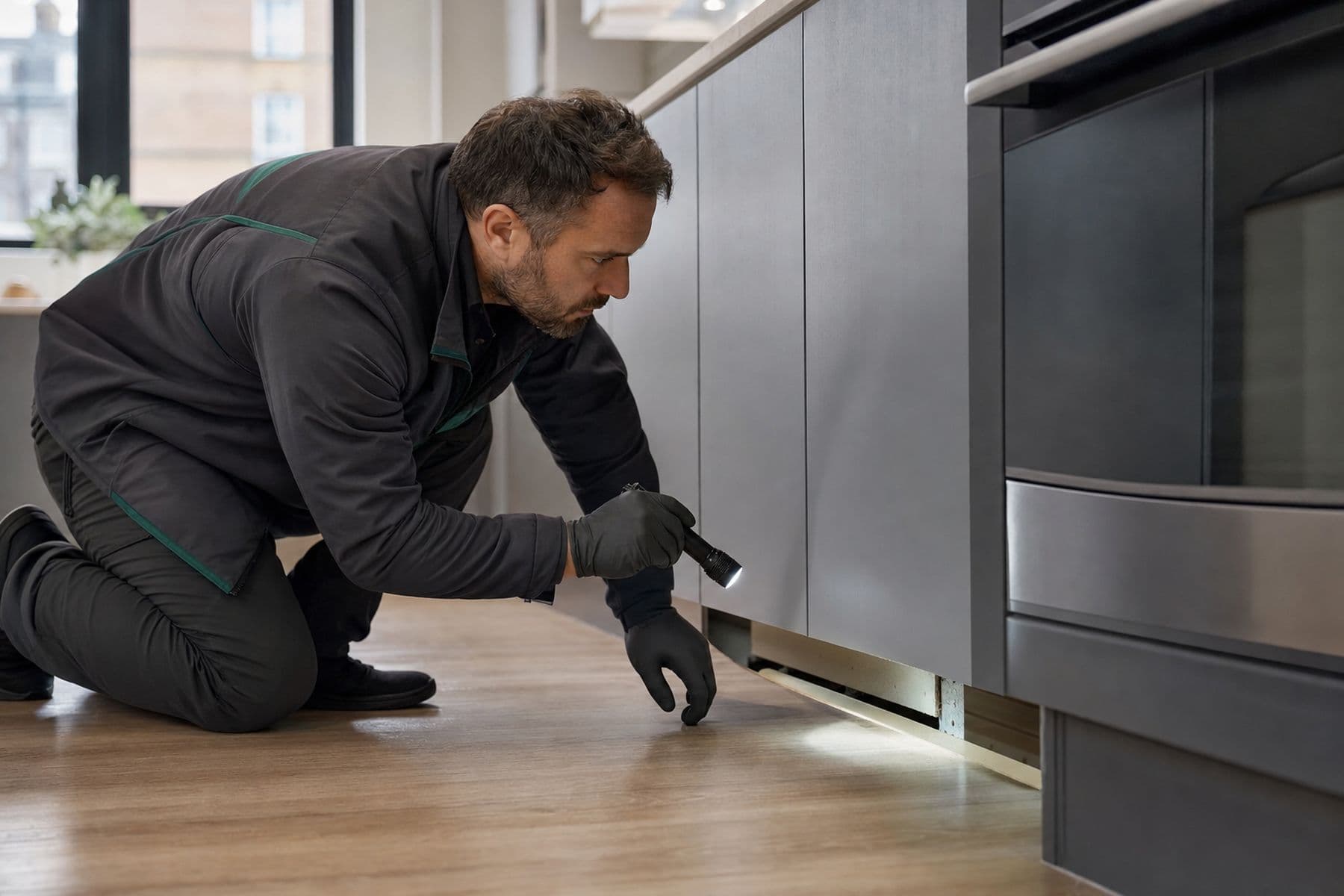
A mouse problem typically takes two to three visits: treatment and inspection followed by proofing of entry points, and the proofing is the part that makes the result permanent. Mice pass through gaps the width of a pencil, so we seal around pipework, behind kitchen units, at door thresholds and along the service routes between flats, with steel wool, mesh and sealant rather than optimism. Reports document what was found, what was applied and what proofing was completed, which is exactly the evidence a landlord needs if a tenant dispute or an environmental health inquiry follows.
The pests London buildings actually get
We deal with mice, rats, cockroaches, bedbugs, wasps, moths and stored-product insects across residential and commercial premises, using treatments appropriate to occupied homes and compliant with current regulations. Bedbugs deserve honesty in particular: effective treatment needs preparation by the household, usually more than one visit, and a provider who inspects adjoining rooms rather than spraying one mattress and leaving.
The calendar matters too. Rodent pressure rises sharply from October as temperatures drop and mice move indoors, wasp nests peak in high summer, and carpet moths quietly work through wool rugs all year in the warm flats London now builds. Timing preventative visits to those cycles is how blocks stay quiet instead of reactive.
Blocks, HMOs and legal obligations
For managed blocks and HMOs we run scheduled monitoring visits, which keeps small issues invisible to residents and keeps you ahead of your legal obligations on pest management. In multi-occupancy buildings, treating one flat rarely ends a rodent issue because the population moves through shared voids; block-level treatment and proofing is what actually works, and we report unit by unit so the freeholder's records are complete. Bin store management gets a line in every block report as well, because an overflowing waste area recruits faster than any bait station can control.
Questions we hear about pest control
Typically two to three: treatment and inspection visits followed by proofing of entry points. Proofing is the part that makes the result permanent, and we include it in the plan from the outset.
We select methods and baits appropriate to the household, use tamper-resistant stations placed out of reach, and give you clear written guidance for each treatment used, including any re-entry times.
It depends on the cause and the tenancy terms, but infestations affecting habitability are generally the landlord's to resolve. We document the likely cause, which helps settle the question fairly.
Not unless you want it to be. Discreet, unmarked attendance is available, and for blocks we can schedule monitoring alongside other maintenance visits so pest control never announces itself to residents or, in hospitality settings, to guests.
Yes, usually in a single visit, with the nest inactive within a day or two. Leave the nest alone until we arrive: blocking the entrance drives wasps into the building, which is the one reliable way to make a nest genuinely dangerous.
Often needed alongside pest control
Need pest control handled properly?
Tell us what needs doing and our operations desk will come back with a scope and the trade rates that apply, or call now for urgent work.